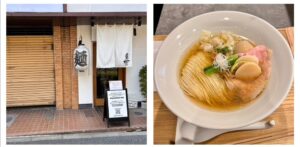
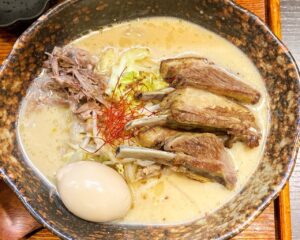
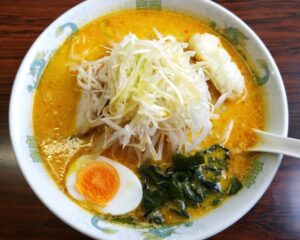
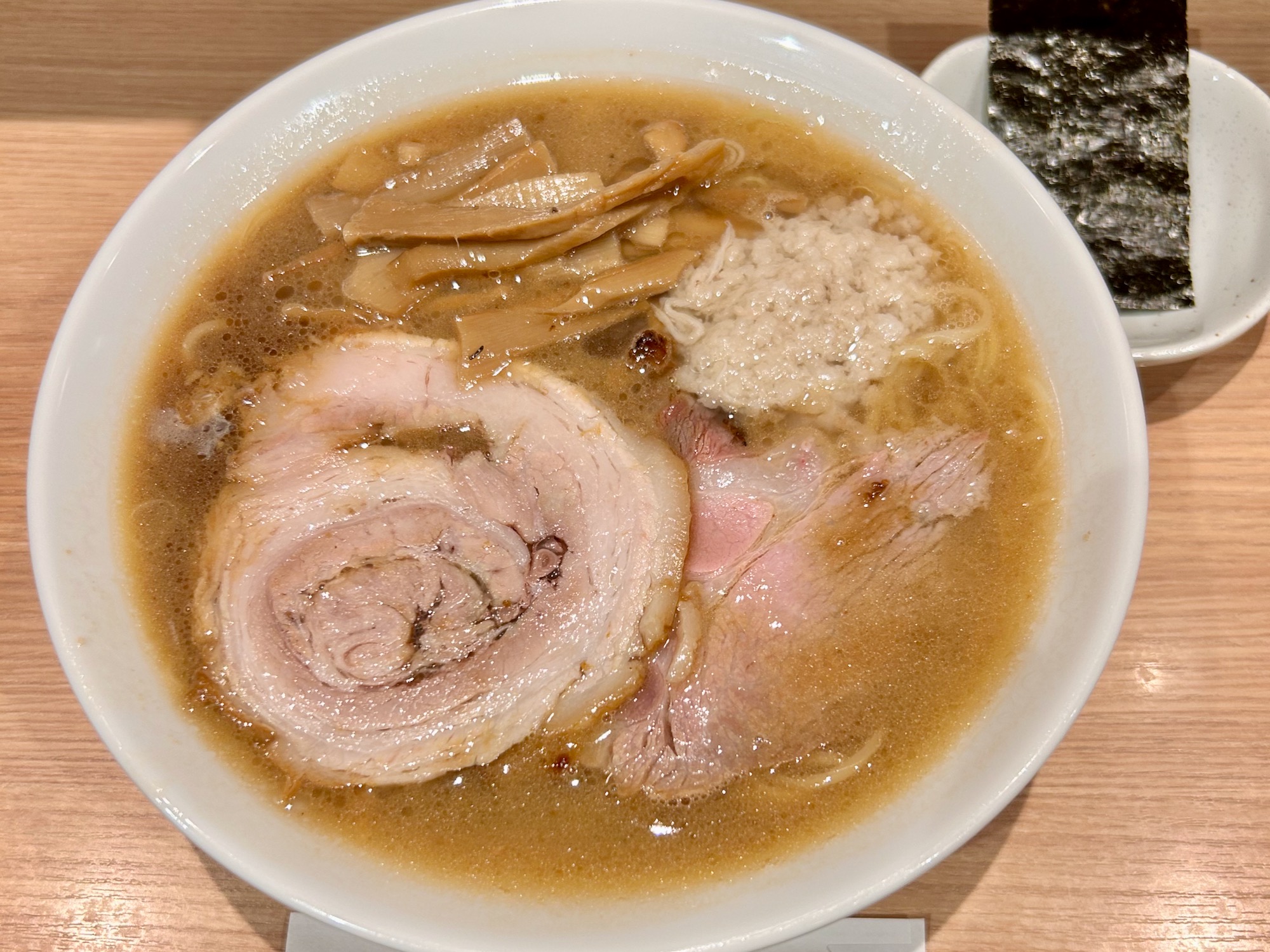
This ramen felt like the culmination of 25 years of work, utilizing a variety of ingredients and connections. It was a unique ramen, unlike anything else in the group. Making a pork bone-based soup without artificial additives is said to be quite difficult, but this time, without regard for cost or profitability, it was a bowl that truly felt like a declaration of intent to “continue.” I ate and drank every last drop; it was delicious. I hope to be able to enjoy their 30th and 40th-anniversary ramen as well. For that to happen, Mr. Maejima must continue making it, and I must continue eating it.
04 Chuka Soba Hikari (中華そば光/Musashi-Nakahara)
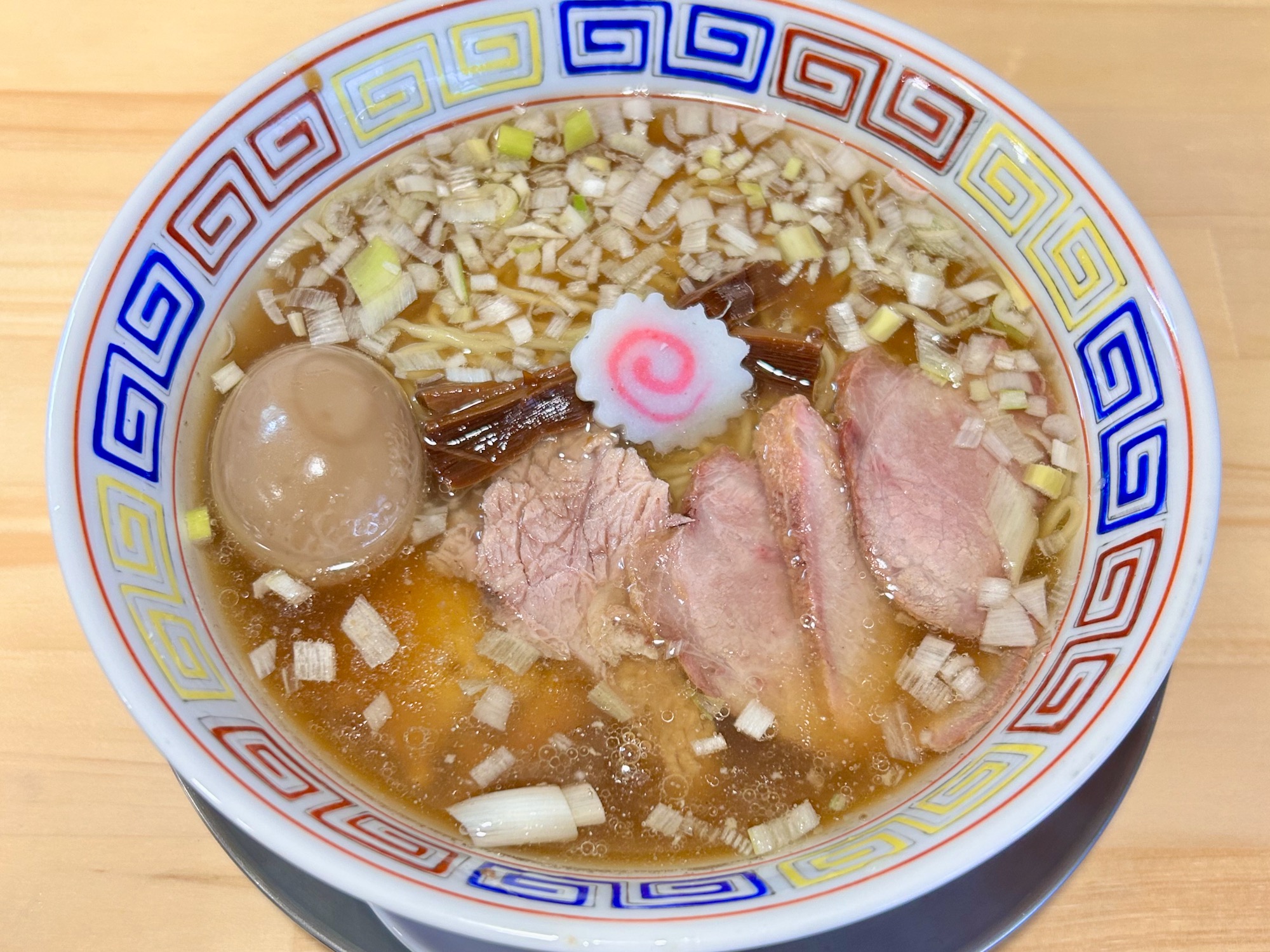
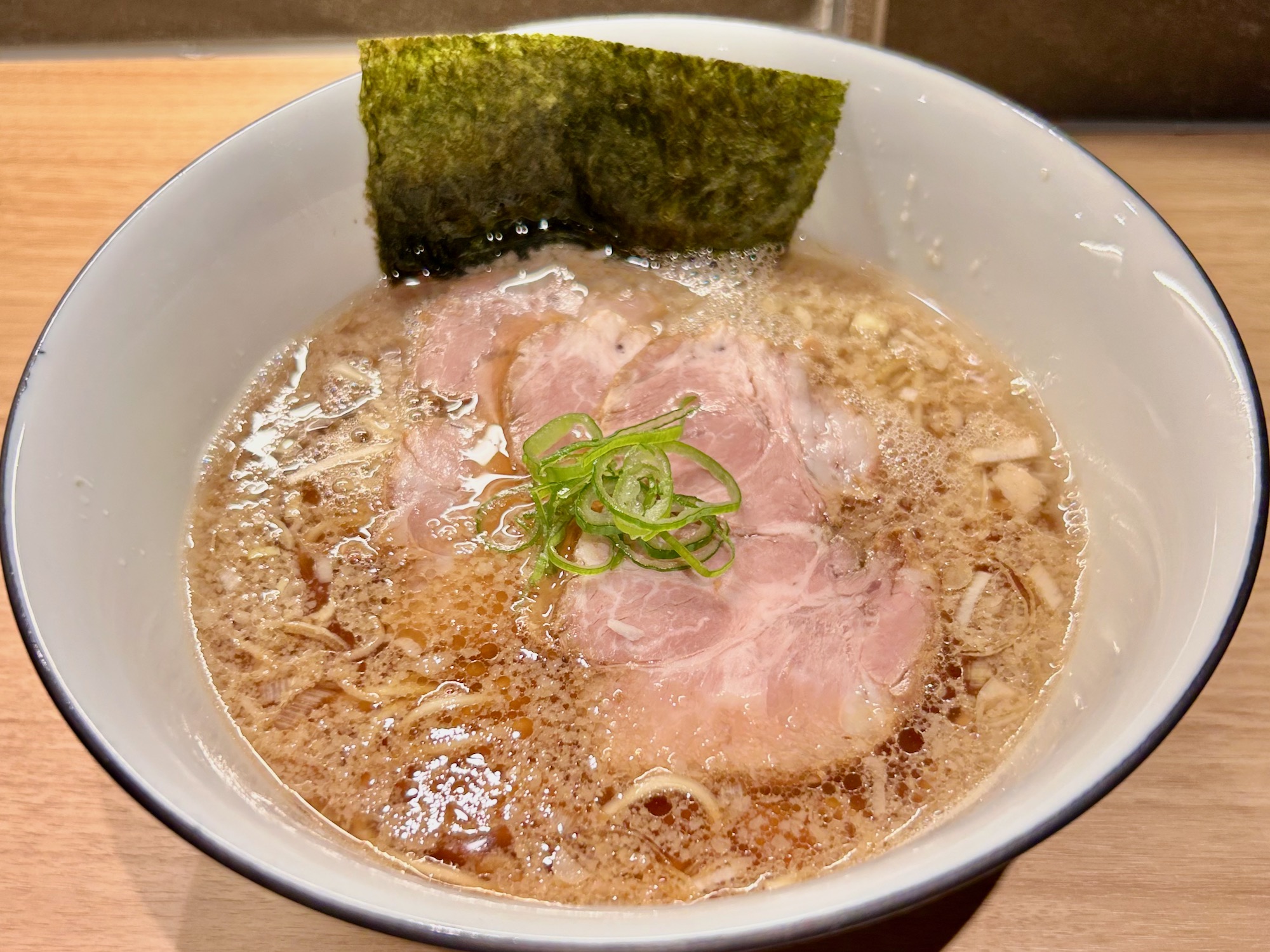
▲Special Chinese Noodles (1250 yen) Pre-opening October 1st – October 28th, 2025; Grand opening November 2nd. This is an independent shop officially recognized by the owner of the main Takematsu restaurant, run by a young, talented chef who served as manager at “Takematsu Tokyo Premium(竹末東京Premium),” a restaurant recognized as one of Tabelog’s Top 100 Restaurants for seven consecutive years (2017-2023).
The appearance of the bowl and the “Chinese noodles” gave me the impression that it was close to “the ramen I wanted to eat right now,” so I stopped by on my way to the Nambu Line. To put it bluntly, I apologize for saying “on my way.” It was exactly “the type of ramen I wanted to eat right now,” and incredibly delicious. Wow, I was surprisingly hooked.
The old-fashioned ramen bowl with the Bagua pattern all around the edge is great. It feels like it’s been a long time. And the “expression” of the Chinese noodles, including the chopped green onions, is excellent. I’d give it a high score just for the service and the appearance alone.
The toppings included two types of chashu (braised pork and hanging-roasted chashu, two slices of each as it was a special order), dark-colored bamboo shoots, finely chopped green onions with a nice texture, and naruto (fish cake). Both types of chashu were delicious, and the marinated egg was also tasty, so I’d like to order the special again next time.
The soup was a light, clear soy sauce-based broth. It was served piping hot. The soup was made with chicken, pork, dried sardines, and many other dried ingredients. It was a truly rich broth. It had a strong sense of nostalgia, and I honestly think that even if I traveled back in time in a time machine, I wouldn’t find a ramen this delicious. But I like that old-fashioned feel. Where did this nostalgia come from, considering the young owner? (laughs) After two or three sips, I was sure I would finish it all. And I did.
The noodles were medium-thin, slightly firm, and curly, which was surprising since they were made by Kanno Noodle Factory. They were a little different from the currently popular type, so I thought they were from a different noodle factory. But these noodles also contributed to the nice nostalgic feeling. In the end, the noodles, soup, and toppings were all to my liking. And the service was excellent, making it a truly pleasant experience. I want to come back and eat there again when they have their grand opening.
Chuka Soba Hikari(中華そば光) Official Information
05 Menya Sankai (麺屋 山界/Okubo)
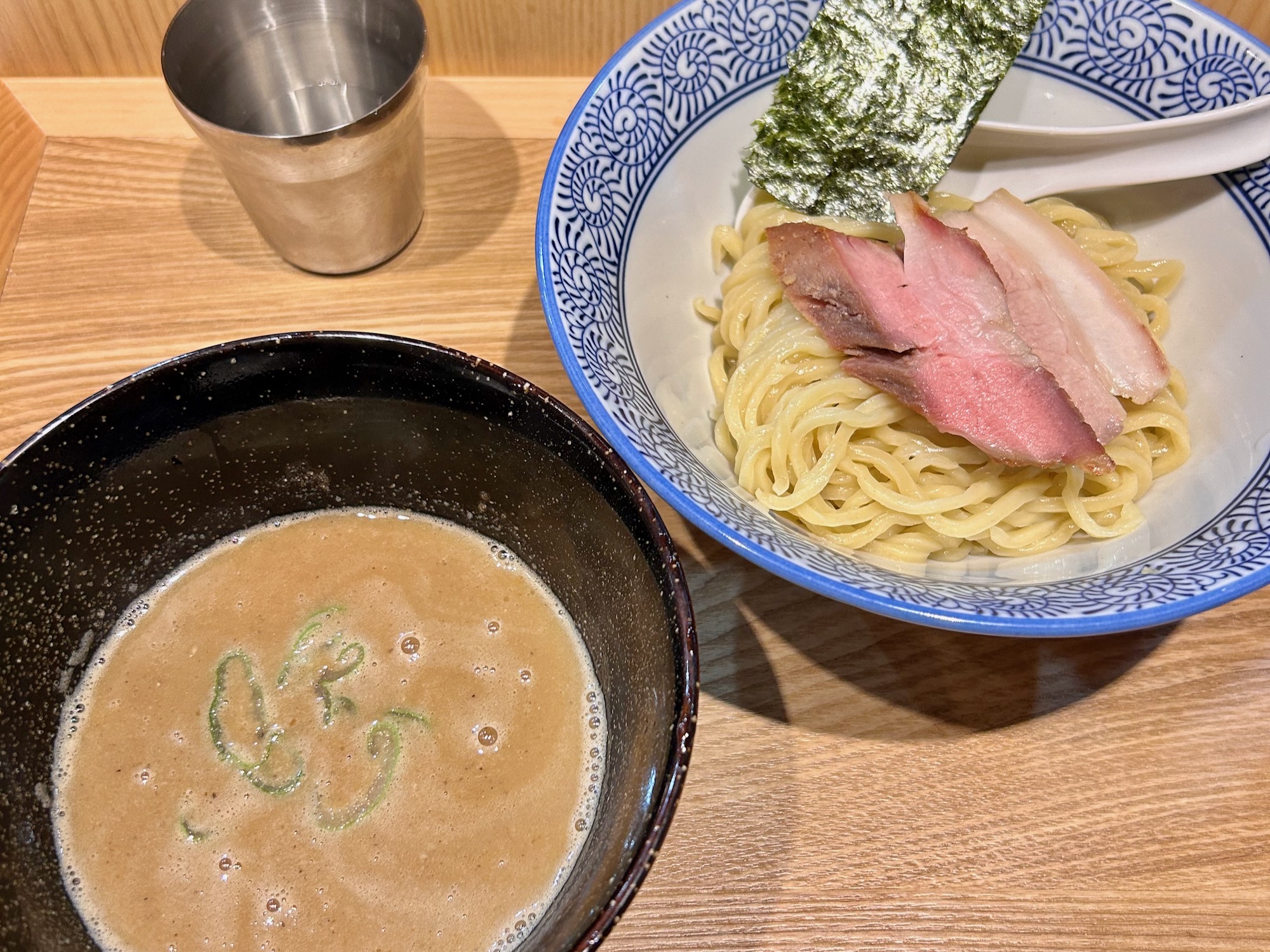
▲Tsukemen (Dipping Noodles) (1200 yen) Opened October 1, 2025.
For ramen enthusiasts, the mere fact that a restaurant is run by someone from a famous establishment is enough to make them want to visit, but this place has a double name. The owner trained at both “Menya Itto(麺屋一燈)” and “Menya Shichisai(麺や七彩),” and the menu, which showcases glimpses of both, quickly became popular.
The ramen uses noodles from “Daiei Foods,” while the tsukemen (dipping noodles) uses homemade, freshly cut noodles.
The kitchen is run by a very friendly and amiable owner working alone. The pre-set trays are elegant.
The toppings include brightly colored pink roasted pork, braised pork belly, and seaweed laver. The chashu is heated and humidified in a stainless steel steamer before serving. Both types of chashu are delicious.
The homemade noodles, cut from the noodle sheet to order, are slightly thick and curly, and incredibly tasty. As expected, several people ordered tsukemen from the start. It’s safe to say that tsukemen is both their specialty and their most popular dish. The dipping sauce is a rich pork bone and seafood broth. At first glance, it looks similar to “Menya Itto,” and while both share the animal-based (chicken broth) and seafood elements, the composition is different. While kombu broth tsukemen (dipping noodles) are currently popular, this type of ramen is also delicious when made properly. The broth for diluting the dipping sauce is available from a pot on the table. I lightly diluted it and drank it all. It was delicious. I’ll come back to try their ramen if I have the chance.Menya Sankai Official Information
06 Ramen GINZA TON BOX (Ginza/Yurakucho)
▲Soy Sauce Ramen (1200 yen) Opened October 7, 2025.
This is the first restaurant produced by Mr. Yamagami, owner of “Ramen-ya Toy Box” (Minowa), which has been featured in the “Michelin Guide Tokyo” for 12 consecutive years and won the “TRY Ramen Grand Prix” for the fourth consecutive year in 2024, earning him a place in the Hall of Fame. The operating company is HITOSUKE Co., Ltd., which is entering the ramen industry for the first time. The restaurant is located along Ginza Sukiyabashi Street.
While “Toy Box” uses a clear chicken-based broth, this one uses a clear pork-based broth. Because it’s “pork,(=豚TON)” it’s called “TON BOX.”
The soy sauce ramen comes with three slices of chashu by default, which is a nice touch. Other toppings include green onions, white onions, pork back fat, and seaweed.
The soup is a pork broth with soy sauce flavor. The sauce is an improved version based on Toybox’s soy sauce base. It has a familiar deliciousness that makes you want to eat it every day. Maybe it’s because I like pork back fat, but after one sip of the soup I was sure I would finish it all. And indeed I did. “A bowl that evokes both nostalgia and novelty.” The noodles are medium-thin and straight, made by Taisei Foods, the same company that makes “Toybox” and “Rock ‘n’ Three.” The noodles also go well with the soup and are very satisfying to slurp. I would like to come back and try the salt version when it becomes available.
Ramen GINZA TON BOX Official Information
Autor of this article
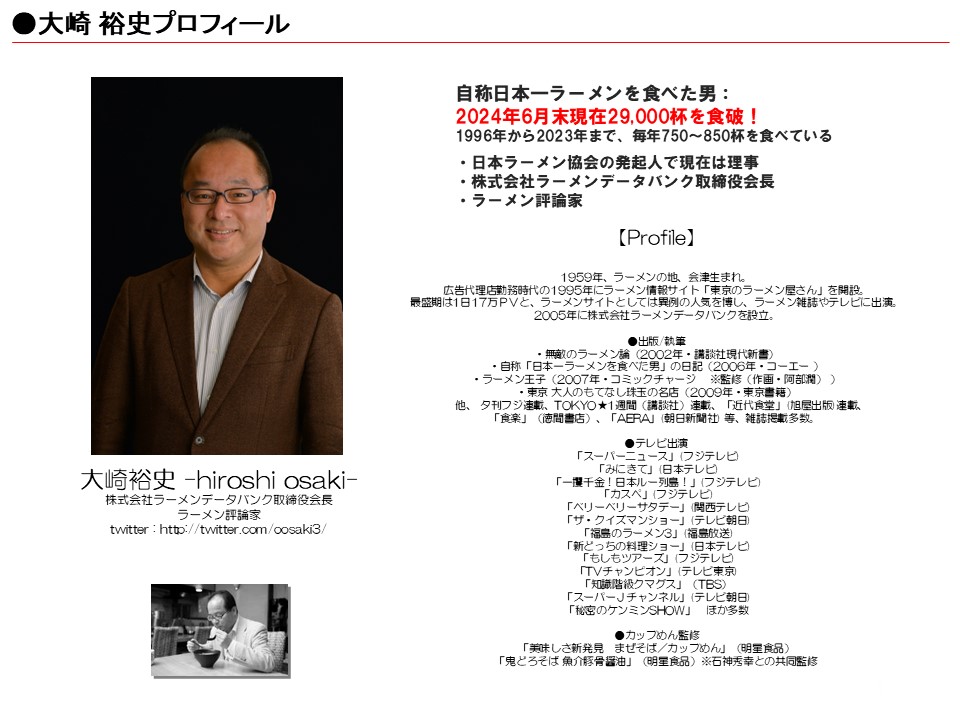
■Hiroshi Osaki (大崎 裕史) ; Chairman of the Board of Directors of Ramen Databank Co., Ltd. One of the founders of the Japan Ramen Association. Executive Committee Chairman of the Tokyo Ramen Festa. Born in 1959 in Aizu, the land of ramen. While working at an advertising agency, he launched the ramen information site “Tokyo Ramen Shops” in 1995. Founded Ramen Databank Co., Ltd. in 2005. Became chairman of the board of directors in 2011. He has appeared in many magazines and on television as “the man who calls himself the man who has eaten the most ramen in Japan” (as of the end of March 2026, he has eaten about 15,000 ramen shops and about 30,500 bowls). His books include “Muteki no Ramenron” (The Invincible Ramen Theory) (Kodansha Shinsho) and “Nihon Ramen Hishi(Japan Ramen Hidden Story)” (Nihon Keizai Shimbun Publishing).




 What is Ra-Kare(Ramen Curry)? A New Food Culture?